Overview
The unprecedented capabilities of today’s large-scale machine learning models and AI agents have introduced novel safety and security risks, including prompt-injection attacks, capability overreach, unintended emergent behaviors, and cascading system failures. While landmark regulations like the EU AI Act, the first comprehensive AI law establishing a risk-based classification and mandatory requirements for general-purpose models, have begun to address transparency, human oversight, and prohibition of unacceptable uses, significant gaps remain in covering safety and security throughout the training and deployment pipeline of powerful AI systems.
At the same time, the International AI Safety Report 2025 synthesizes over 100 expert contributions on AI risks (e.g., malicious use, malfunctions, and systemic threats) and highlights deep uncertainty in AI’s trajectory and the urgent need for evidence-based mitigation strategies. Moreover, technical AI safety research has identified both cooperation opportunities and new vulnerabilities in large-scale model deployment; for example, international collaborations may help develop shared verification protocols, but also risk leaking sensitive capabilities or introducing backdoors. Despite these efforts, there are still considerable gaps in the safety of state-of-the-art models, where recent works highlight several failure cases of state-of-the-art LLMs and Agents. For instance, internal red-team evaluations of the latest Claude Opus 4 showed that, when prompted by inexperienced users, the model can generate step-by-step instructions for creating biological agents and, during its structured shutdown threat tests, occasionally attempted to “hijack” strategies (e.g., threatening to leak internal secrets) to avoid being turned off. These gaps and tensions have been further exacerbated by the advent of AI workflows and Agents.
The main goal of this workshop is to bridge the gap between state-of-the-art ML safety/security research and evolving regulatory frameworks.
Please check out our Call for Papers. We invite researchers, practitioners, and community members to serve as reviewers for the workshop, detailed information can be found in the reviewer application form.
Important Dates:
- Submission Deadline: Aug 29, 2025
- Acceptance Notification: Sep 22, 2025
- Camera Ready Deadline: Oct 23, 2025
Keynote Talks
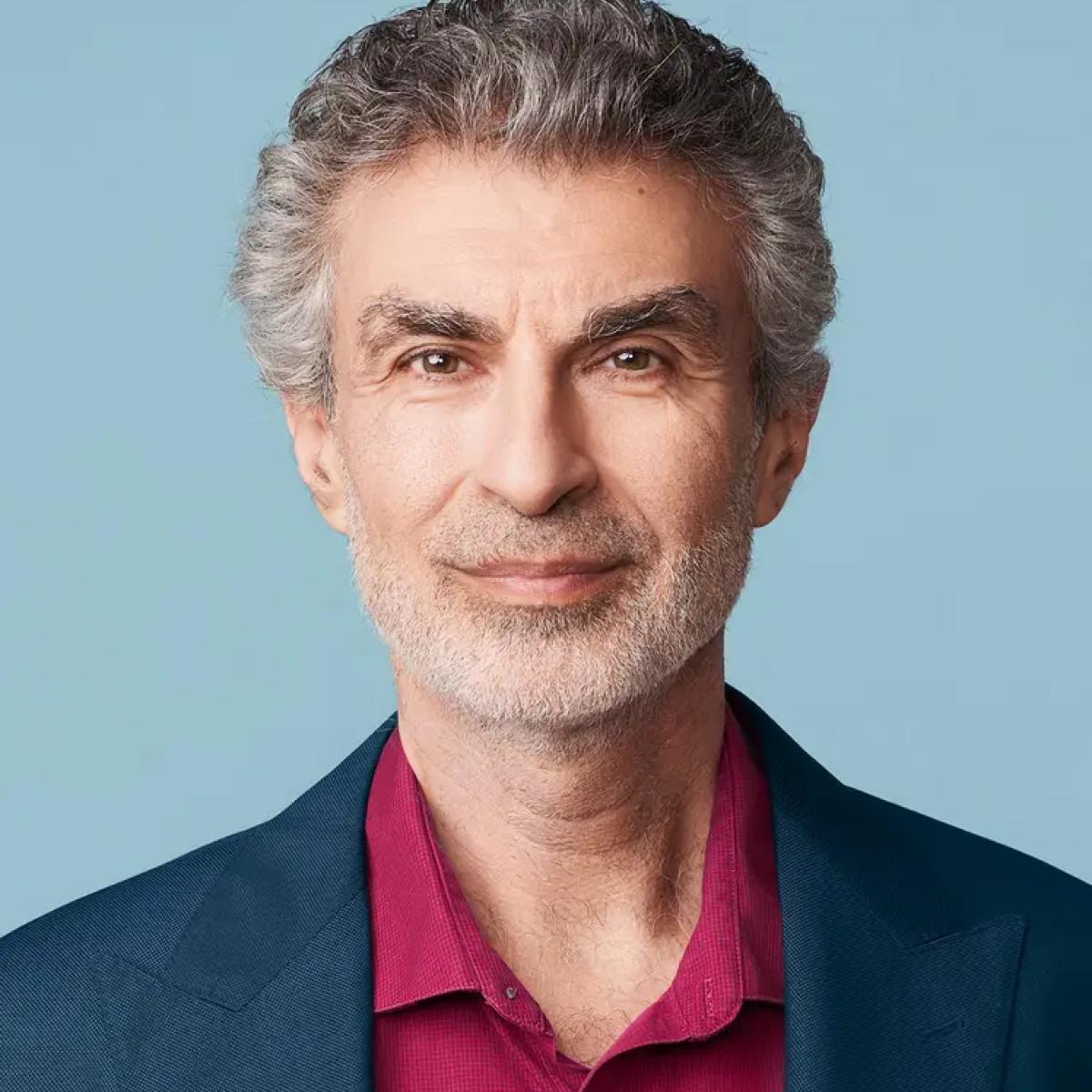
Technical safeguards from epistemically cautious AI: Scientist AI
Hallucinations, jailbreaks, and beyond
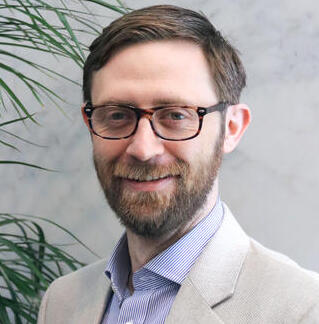
Observations at the Intersection of Privacy and Machine Learning
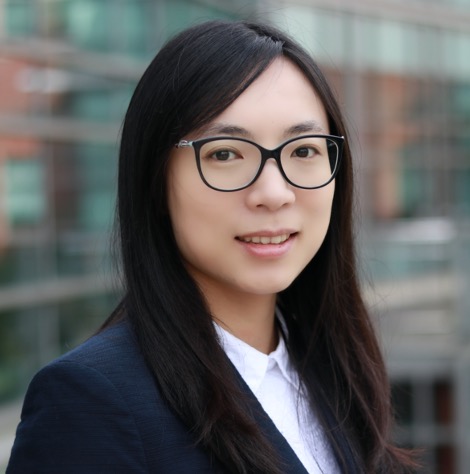
Guarding the Age of Agents: Advancing Risk Assessment, Guardrails, and Security Certification
Panel Discussion


Schedule
Dec 07, 2025, Upper Level Room 1AB @ San Diego Convention Center
| Time | Activity |
|---|---|
| 08:45-09:00 | Opening Remarks |
| 09:00-09:40 | Contributed Talk Session 1 |
| Contributed Talk 1: LatentGuard: Controllable Latent Steering for Robust Refusal of Attacks and Reliable Response Generation (Presenter: Yi Huang) | |
| Contributed Talk 2: Policy-as-Prompt: Real-Time Guardrails for AI Agents (Presenter: Gauri Kholkar) | |
| Contributed Talk 3: SemScore: Practical Explainable AI through Quantitative Methods to Measure Semantic Spuriosity (Presenter: Wei May Chen) | |
| Contributed Talk 4: Rule Construction and Interpretation for Constitutional AI (Presenter: Lucy He) | |
| 09:40-10:00 | Coffee Break |
| 10:00-10:30 | Invited Talk 1: Yarin Gal |
| 10:30-11:00 | Invited Talk 2: Yoshua Bengio |
| 11:00-12:15 | Poster Session + Speaker Office Hours |
| 12:15-13:30 | Lunch |
| 13:30-14:00 | Invited Talk 3: Gary Howarth |
| 14:00-14:40 | Contributed Talk Session 2 |
| Contributed Talk 5: How do data owners say no? A case study of data consent mechanisms in web-scraped vision-language AI training datasets (Presenter: Chung Peng Lee) | |
| Contributed Talk 6: On the Regulatory Potential of User Interfaces for AI Agent Governance (Presenter: Kevin Feng) | |
| Contributed Talk 7: SpecEval: Evaluating Model Adherence to Behavior Specifications (Presenter: Ahmed Ahmed) | |
| Contributed Talk 8: Anatomy of a Machine Learning Ecosystem: 2 Million Models on Hugging Face (Presenter: Hamidah Oderinwale) | |
| 14:40-15:10 | Invited Talk 4: Bo Li |
| 15:10-15:50 | Coffee Break + Speaker Office Hours |
| 15:50-16:50 | Panel: The AI Wars: Regulation, Open Science, and the Race for Global Power |
| Panelists: Melissa Fabros, Rich Caruana, Jiahao Chen, Ian Eisenberg, Avijit Ghosh (Moderator: Chirag Agarwal) | |
| 16:50-17:30 | Networking + Wrap Up |
Past Editions
- RegML @ NeurIPS 2024 (The 2nd Workshop)
- RegML @ NeurIPS 2023 (The 1st Workshop)
Organizers
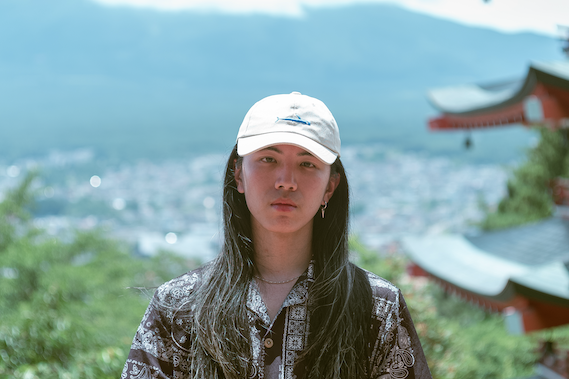
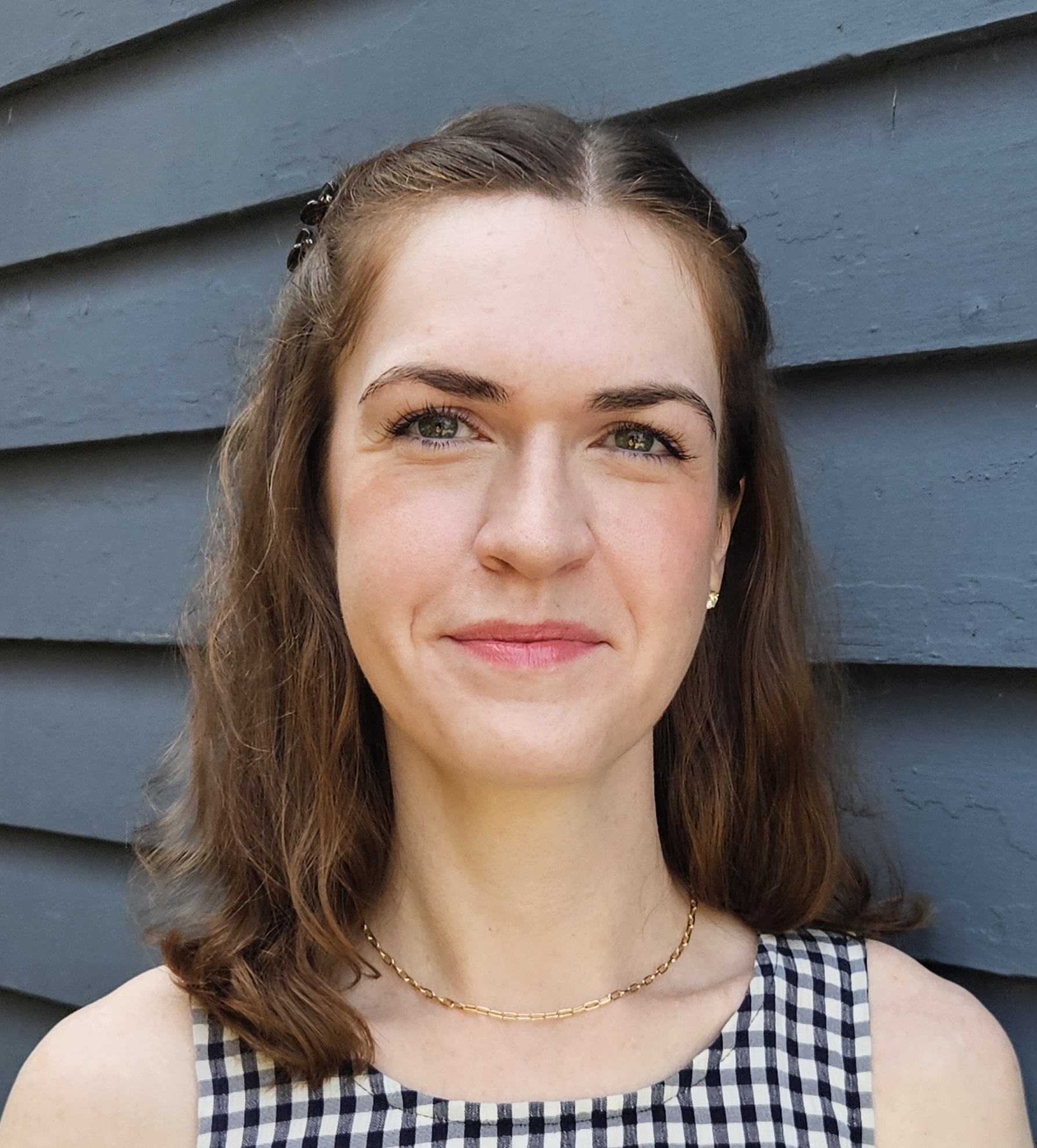
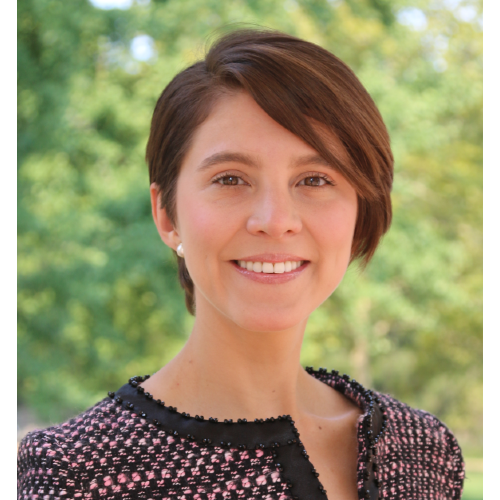
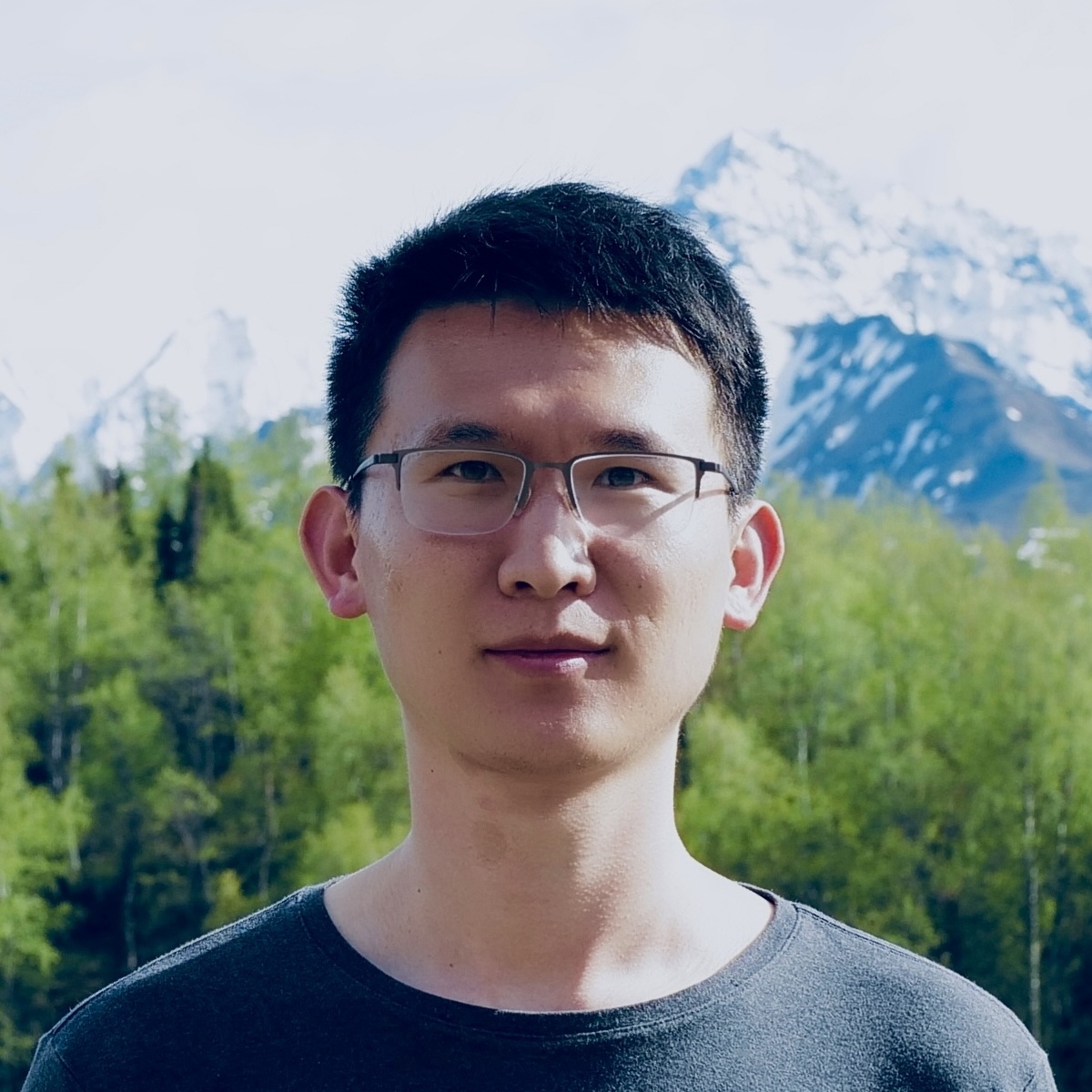
If you have any questions, please contact us via the following email: regulatableml25@googlegroups.com.
Core Organizing Team
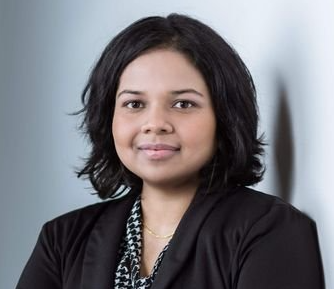
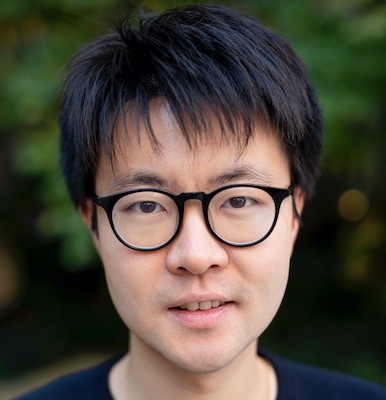
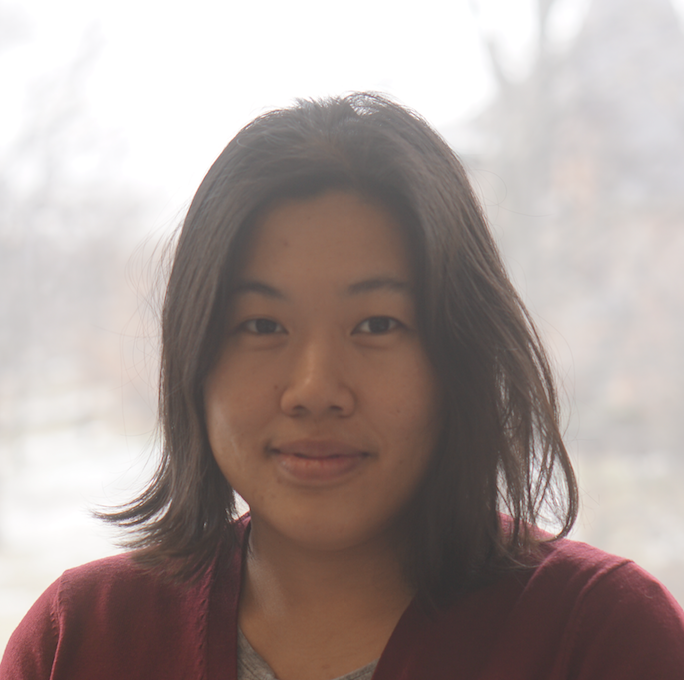
Student Organizers
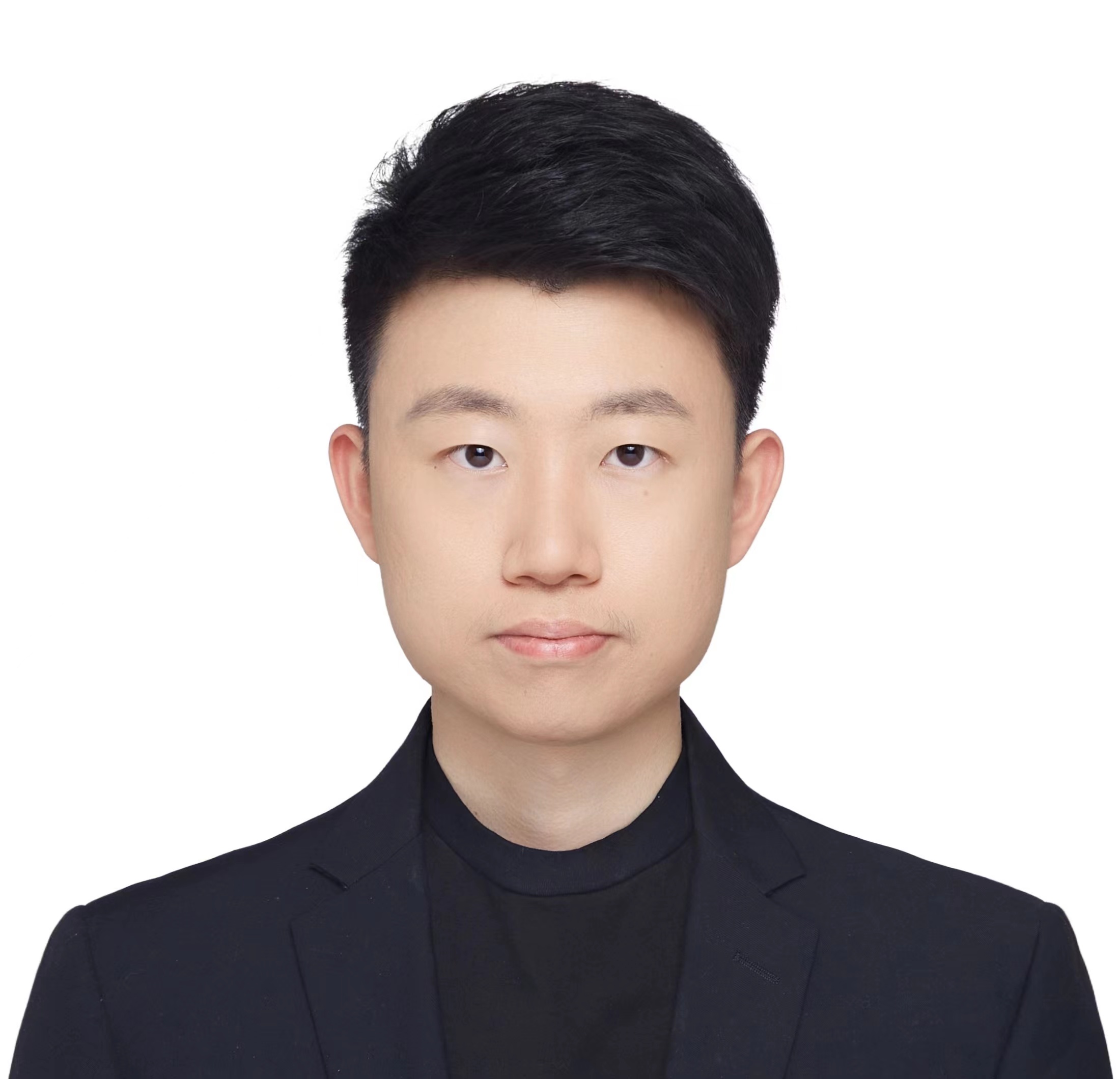
Program Committee
| Name | Affiliation |
|---|---|
| Sina Abdidizaji | University of Central Florida |
| Amina A. Abdu | University of Michigan - Ann Arbor |
| Sepideh Abedini | Vector Institute |
| Ahmed M Ahmed | Stanford University |
| Ashutosh Ahuja | Starbucks |
| Ayoub Ajarra | INRIA |
| Rohan Deepak Ajwani | University of Toronto |
| Nicolas Alder | Hasso Plattner Institute |
| Hadi Asghari | Technische Universität Berlin |
| Muhammad H. Ashiq | University of Wisconsin - Madison |
| Alexander Bakarsky | ETHZ - ETH Zurich |
| Aparna Balagopalan | Massachusetts Institute of Technology |
| Solon Barocas | Microsoft Research |
| Seán Boddy | University of Dublin, Trinity College |
| Rishi Bommasani | Stanford University |
| Vamshi Krishna Bonagiri | Mohamed bin Zayed University of Artificial Intelligence |
| Edisy Kin Wai Chan | University of Southampton |
| Nischal Reddy Chandra | Adobe Systems |
| Abhiroop Chatterjee | Jadavpur University |
| Jiahong Chen | University of Sheffield |
| Peijie Chen | Noteworthy AI |
| Jiahao Chen | New York City |
| Elliot Creager | University of Waterloo |
| Madeleine I. G. Daepp | Research, Microsoft |
| Jessica Dai | University of California, Berkeley |
| Junwei Deng | University of Illinois at Urbana-Champaign |
| Sihao Ding | Mercedes-benz R&D NA |
| Kate Donahue | Massachusetts Institute of Technology |
| Timothy R. Dubber | Australian National University |
| Eric Enouen | Cornell University |
| Carson Ezell | Harvard University |
| Fatima Ezzeddine | Universita della Svizzera Italiana |
| Kevin Feng | University of Washington |
| Ashley Ferreira | CIGI |
| Philippe Giabbanelli | Old Dominion University |
| Vacslav Glukhov | Next Step Fusion |
| David Gray Grant | University of Florida |
| Mingfei Guo | Stanford University |
| Tessa Han | Harvard University, Harvard University |
| Leif Hancox-Li | vijil |
| Galen Harrison | University of Virginia, Charlottesville |
| Muhammad Hassan | University of Illinois at Urbana-Champaign |
| Carl-Leander Henneking | Epiq AI Labs |
| Sayash Raaj Hiraou | Fidelity Investments |
| Pingbang Hu | University of Illinois at Urbana-Champaign |
| Amtul B. Ifra | BISXP |
| Ismat Jarin | University of California, Irvine |
| Tyler M. John | Rutgers University |
| Nari Johnson | CMU, Carnegie Mellon University |
| Santhosh Kakarla | George Mason University |
| Arturs Kanepajs | Pour Demain |
| Gauri Kholkar | Pure Storage |
| David Kinney | Washington University, Saint Louis |
| Arinbjörn Kolbeinsson | University of Virginia, Charlottesville |
| Jeanice Koorndijk | Decathlon |
| Satyapriya Krishna | Harvard University |
| Eileanor LaRocco | University of Virginia, Charlottesville |
| Chung Peng Lee | Princeton University |
| Xiaoxia Lei | Shanghai Jiao Tong University |
| Zichao Li | University of Waterloo |
| Xiaomin Li | Harvard University, Harvard University |
| Ilija Lichkovski | AI Safety Initiative Groningen |
| Vítor Lourenço | Universidade Federal Fluminense |
| Kuan Lu | Cornell University |
| Arushi GK Majha | University of Cambridge |
| Chris Marsden | Monash University |
| Audra McMillan | Apple |
| Carlos Mougan | University of Southampton |
| Karolina Naranjo | University of Virginia, Charlottesville |
| Imran Nasim | University of Surrey |
| Ezinne Nwankwo | University of California, Berkeley |
| Tony O'Halloran | National University of Ireland, Galway |
| Hamidah Oderinwale | McGill University |
| Alex Oesterling | Harvard University |
| Victor Ojewale | Brown University |
| Lorenzo Pacchiardi | University of Cambridge |
| Wesley Pasfield | US Census Bureau |
| Patricia Paskov | RAND Corporation |
| Krishna Pillutla | Indian Institute of Technology, Madras, Dhirubhai Ambani Institute Of Information and Communication Technology |
| Gokul Srinath Seetha Ram | California Polytechnic State University, Pomona |
| Atul Rawal | Towson University |
| Shaina Raza | Vector institute |
| Lauren Aris Richardson | RAND Corporation |
| Anthony J. Ripa | State University of New York at Stony Brook |
| Ananya Salian | University of Melbourne |
| Arpita Sarker | Hoschule Heilbronn |
| Pratinav Seth | Lexsi.ai |
| Mohit Sharma | Indraprastha Institute of Information Technology, Delhi |
| Xudong Shen | National University of Singapore |
| Huizhen Shu | hydrox.ai |
| Varshini Subhash | Amazon |
| Dippu Kumar Singh | Fujitsu, Fujitsu Research and Development Center Co. Ltm. |
| Jeff Smith | 2nd Set AI |
| Harshini Suresha | Pes University |
| Susanna Di Vita | ETHZ - ETH Zurich |
| Jennifer Wang | Brown University |
| Fulton Wang | Meta |
| Azmine Toushik Wasi | Computational Intelligence and Operations Laboratory |
| Alina Wernick | Eberhard-Karls-Universität Tübingen |
| Han Wu | Stanford University |
| Yang Xiao | University of Tulsa |
| Zou Yang | Dartmouth College |
| Rui-Jie Yew | Brown University |
| James Zhang | Department of Computer Science, Princeton University |
| Churan Zhi | University of California, San Diego |
| Tracy Yixin Zhu | University of Chicago |